









Why Queue Management Systems Are Critical for Efficient Operations
In today’s fast-paced, customer-centric environment, waiting is no longer just an inconvenience — it’s a business risk. Whether in retail stores, service centres, banks, clinics, or hospitality venues, long and unmanaged queues directly impact customer satisfaction, staff productivity, and revenue.
Queue Management Systems (QMS) have evolved into intelligent digital solutions that do far more than issue queue numbers. They optimize workflows, improve customer experiences, and provide actionable insights that drive operational excellence.
Why Queue Management Systems Are Critical for Efficient Operations
The Hidden Cost of Poor Queue Management
Unstructured queues create multiple operational challenges:
Frustrated customers who abandon purchases or leave negative reviews Overwhelmed staff struggling to prioritize service Inefficient resource allocation during peak hours Lack of visibility into service performance metrics
In competitive industries such as retail and hospitality, even a few minutes of unnecessary waiting can influence whether customers return.Unstructured queues create multiple operational challenges:
Frustrated customers who abandon purchases or leave negative reviews
Overwhelmed staff struggling to prioritize service
Inefficient resource allocation during peak hours
Lack of visibility into service performance metrics
In competitive industries such as retail and hospitality, even a few minutes of unnecessary waiting can influence whether customers return.
What Is a Modern Queue Management System?
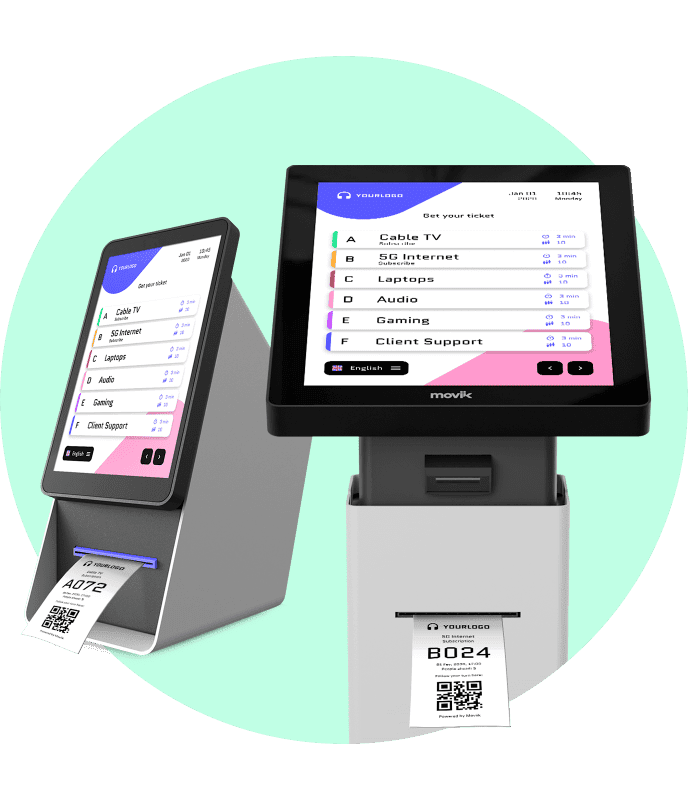
A modern QMS is a technology-driven solution that manages customer flow digitally. It typically includes:
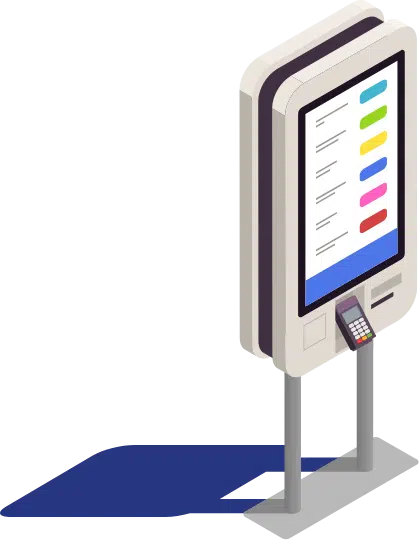
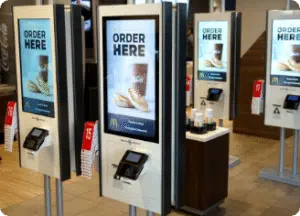
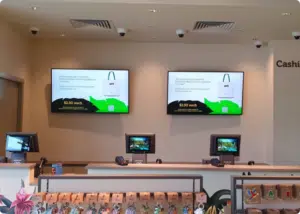
Self-service ticketing kiosks SMS or QR-based virtual queuing Real-time display screens Staff dashboards for call management Backend analytics and reporting tools
Rather than forcing customers to physically stand in line, a QMS organizes service requests efficiently and transparently.
Key Technology Features in 2026
1. Virtual Queuing & Mobile Integration
Customers can scan a QR code, select a service, and receive notifications when it’s their turn. This allows them to shop, relax, or move freely instead of waiting in a physical line.
2. Smart Prioritization
Advanced systems categorize customers based on service type or priority level, ensuring faster routing and reduced bottlenecks.
3. Real-Time Analytics
Managers gain access to metrics such as:
Average waiting time
Service duration
Peak hour trends
Staff performance
These insights enable better staffing decisions and operational planning.
4. Multi-Location Cloud Control
Businesses with multiple outlets can centrally manage queue systems, standardize service workflows, and monitor performance across branches.
Industry Applications
Retail
In retail environments, QMS reduces checkout congestion and enhances customer satisfaction. Customers feel informed and in control, while store managers can adjust manpower dynamically.
Services (Banks, Clinics, Government)
Service-based industries benefit from structured ticketing and appointment integration. Patients and customers appreciate transparency in waiting times, improving overall experience perception.
Hospitality
Hotels and F&B outlets use queue systems for check-ins, reservations, and order collection. By reducing physical crowding, businesses maintain a premium service atmosphere.
Operational Benefits for Businesses
1. Improved Customer Experience
Clear communication and predictable wait times significantly reduce anxiety and frustration.
2. Increased Efficiency
Staff focus on serving rather than managing crowds. Smart routing reduces idle time and service duplication.
3. Data-Driven Decisions
Performance reports provide clarity on operational gaps and service inefficiencies.
4. Higher Revenue Opportunities
When customers aren’t stuck in line, they’re more likely to browse, explore upsells, or engage with promotions.
Beyond Waiting: A Strategic Tool
Queue management systems are no longer just about crowd control — they are strategic infrastructure that enhances brand perception and operational excellence.
In 2026, businesses that leverage intelligent queue solutions position themselves as efficient, customer-first organizations. As customer expectations continue to rise, structured and technology-enabled service flow is no longer optional — it is essential for sustainable growth.